When chemotherapy changed the way food tasted, Ann Ogden Gaffney found comfort in the kitchen. Meet the founder of Cook for Your LIFE.


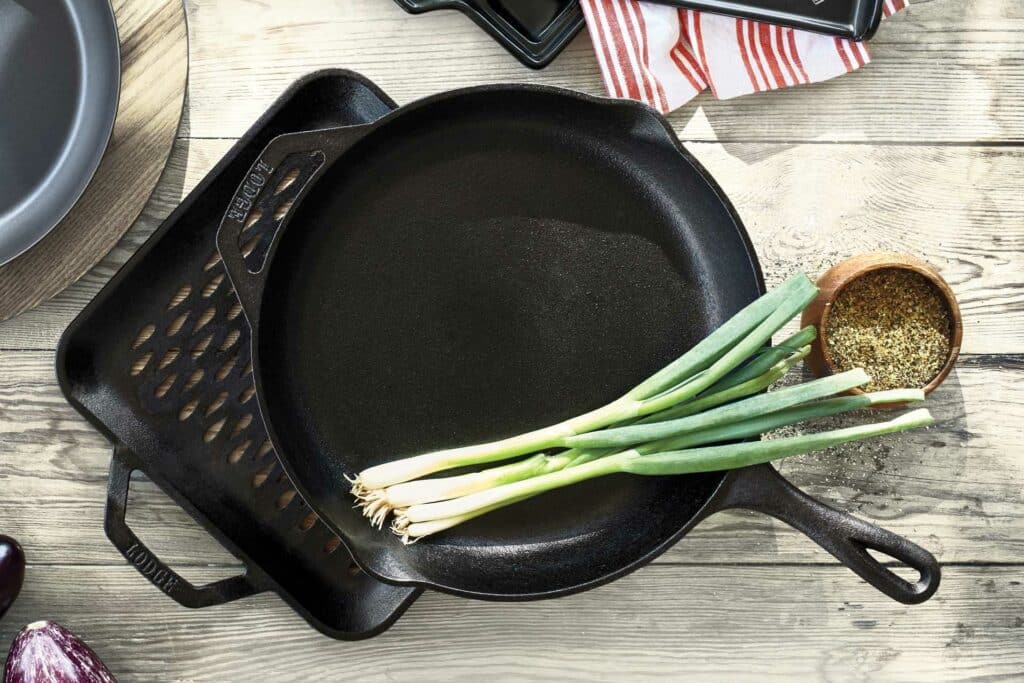
With a good cast iron skillet, you can deliver everything from fluffy scrambled eggs and perfectly seared steak to a loaf of crusty bread. With proper care, your cast iron pan will last for decades—in fact, cast iron is often an heirloom passed down for generations.
This magnificent material comes in many forms—skillets, Dutch ovens, braisers, grill pans and woks—and generally falls into two categories: traditional (seasoned, non-enameled) cast iron and enameled cast iron.
Traditional, raw cast iron requires seasoning before use. The seasoning process involves coating the interior with oil and cooking the oil into the metal, over low heat, to create a nonstick surface. Some cast iron pans come pre-seasoned; these require re-seasoning throughout their life.
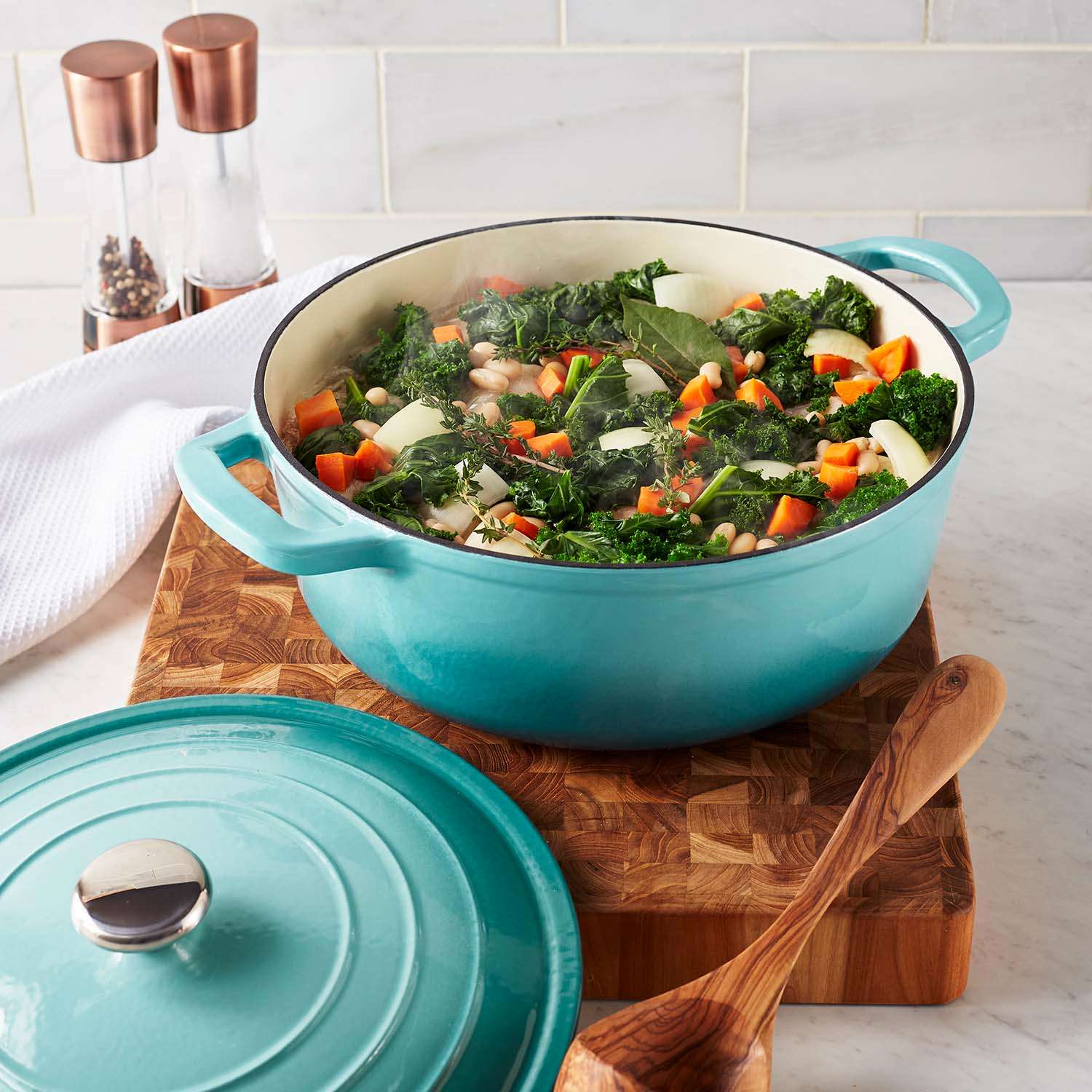
With an enameled cast iron piece, the iron is sandwiched between two layers of enamel. An enameled cast iron pan is immediately ready for use, and it won’t require seasoning to maintain its nonstick quality.
But which type is right for you? That depends on your personal preferences, your budget and the needs of your kitchen.
Read on for our comparison of enameled cast iron vs cast iron. We break down the differences in heat performance, care, and everyday cooking so you can choose the right pan for your kitchen.
| Feature | Cast Iron (Raw / Seasoned) | Enameled Cast Iron |
|---|---|---|
| Surface Coating | None; seasoned with oil | Smooth enamel glaze |
| Requires Seasoning | Yes; many pieces come pre-seasoned and benefit from continued seasoning with use | No; ready to use right out of the box |
| Acidic Foods (Tomatoes, Citrus) | Long cooking with acidic ingredients can affect the seasoning and may impart a metallic flavor. | Non-reactive; ideal for long simmers and sauces |
| Care Method | Hand-wash with hot water; dry completely and oil | Hand-wash with warm, soapy water; air-dry or towel-dry |
| High Heat & Open Flame | Safe for campfires, outdoor grills, and broilers | Oven-safe temperature varies by product; follow the manufacturer’s instructions. |
| Average Cost | Budget-friendly | Mid-range to premium |
| Best For | High-heat searing, smash burgers, cornbread, and outdoor cooking | Tomato sauces, stews, braises, and stovetop-to-table serving |
Hungry for more? From Dutch ovens to skillets and everything in between, shop our Cast Iron Collection for the newest addition to your kitchen!
Heat conduction (how quickly the pan heats up) and heat retention (how consistently the pan holds its temperature while cooking) are two different concepts, and both deserve consideration.
Traditional Cast Iron: Is slow to heat, compared to other materials. But it excels at heat retention, maintaining a consistent, balanced temperature throughout the cooking process.
Enameled Cast Iron: May be even slower to heat than seasoned cast iron. However, it offers even better heat distribution, giving the chef increased control over how the food cooks.
All cast iron pans are great for searing, producing that delicious browned crust on grilled meats and roasted veggies. But if the food sticks to the pan—oh dear. It’s important to understand your pan, to ensure it retains its nonstick nature.
Traditional Cast Iron: Delivers wonderful nonstick performance, as long as it’s properly seasoned. Check out our guide to learn how to season and maintain your cast iron skillet.
Enameled Cast Iron: Requires no seasoning. Using moderate heat and a little butter or oil helps minimize sticking while cooking.
All cast iron is versatile, in that it can be used to create a wide variety of tasty dishes. There are a few key areas, though, where one type or the other is more suitable.
Traditional Cast Iron: Works great at any temperature and you can even use it to cook over an open fire while camping. However, seasoned cast iron is reactive with acidic foods, such as tomatoes, and may impart unappealing flavors or colors to such foods.
Enameled Cast Iron: Is more temperature-sensitive. Some enameled cast iron skillets have a max temperature range of only 500°F, which limits their versatility. On the other hand, enamel is minimally reactive and completely acceptable for cooking acidic foods.
How high you can heat your cookware, and where you can use it, differs signifi cantly between the two.
Traditional Cast Iron: Well suited to high-heat cooking and can be used in the oven, on the stovetop and, depending on the cookware, over grills or campfi res. Cast iron is also compatible with induction cooktops. Always follow the manufacturer’s temperature and use guidelines.
Enameled Cast Iron: Requires a bit more caution with extreme heat. Most enameled pieces are oven-safe up to 450°F to 500°F, depending on the material of the lid knob (metal vs. composite). Avoid using enameled cast iron on outdoor grills or campfi res, as intense direct heat and rapid temperature swings can cause the glass enamel to crack or chip.
The visual appearance of the cookware and equipment in any kitchen does matter, whether at home or in a professional setting. To what extent is a decision for the individual chef to make.
Traditional Cast Iron: Offers the classic, unmistakable black, inside and out. For many, this is the color that says cast iron and there is no substitute. With this color of pan, you’ll need to be extra attentive when cooking dark-colored foods to avoid letting them burn.
Enameled Cast Iron: Offers a range of exterior color options that make some chefs swoon with delight. Some cooks choose enameled for the colors alone, and we think there’s no shame in that. Many enameled pieces come with a pale, cream-colored interior, which makes it easy to monitor the color of the juices cooking in the bottom of the pan.
Traditional cast iron pans with no enamel coating generally need more care than the enameled variety. Still, many chefs agree that the extra effort is entirely worthwhile. Whichever pan you reach for, you may want to keep certain factors in mind.
Traditional Cast Iron: Requires meticulous care after each use. Sudsy water is okay, but the preferred method is to scour off stuck-on foods with coarse kosher salt. To avoid rust, do not leave raw cast iron to soak or to drip-dry. Towel the pan dry by hand, then add a drop of oil and heat it up just a bit, to seal and protect the seasoning.
Enameled Cast Iron: Requires no seasoning but can be scratched by scouring pads or coarse cleaning tools. Clean with hot soapy water and a nylon scrubber or non-scratching sponge. Hand-dry to avoid chipping and scratching, which may occur while the pan is sitting out to air-dry.
With proper maintenance, both types of cast iron can last for a lifetime. Whether you spend a little or a lot, you can trust that your cast iron cookware is a long-term investment.
Traditional Cast Iron: Is remarkably affordable, especially considering the longevity. Premium quality Lodge cast iron skillets with no enamel coating start at prices under $20.
Enameled Cast Iron: Is more expensive than seasoned cast iron. With minimal care, these beautiful heirloom pans last for decades. Consider the wonderful options available from Sur La Table, Le Creuset and Staub.
Hungry for more? From Dutch ovens to skillets and everything in between, shop our Cast Iron Collection for the newest addition to your kitchen!





Join The Conversation