Your kitchen’s favorite workhorse.

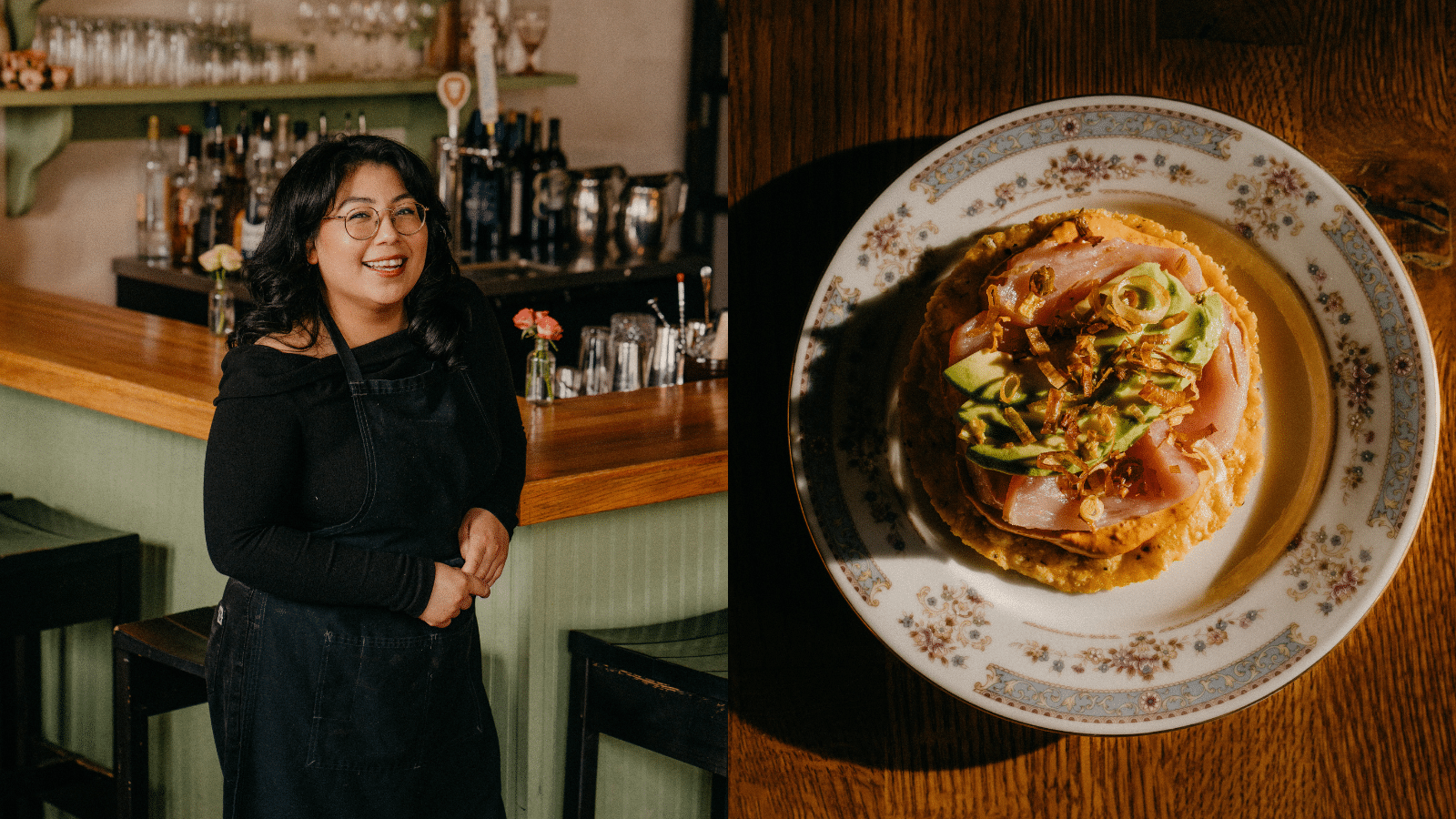
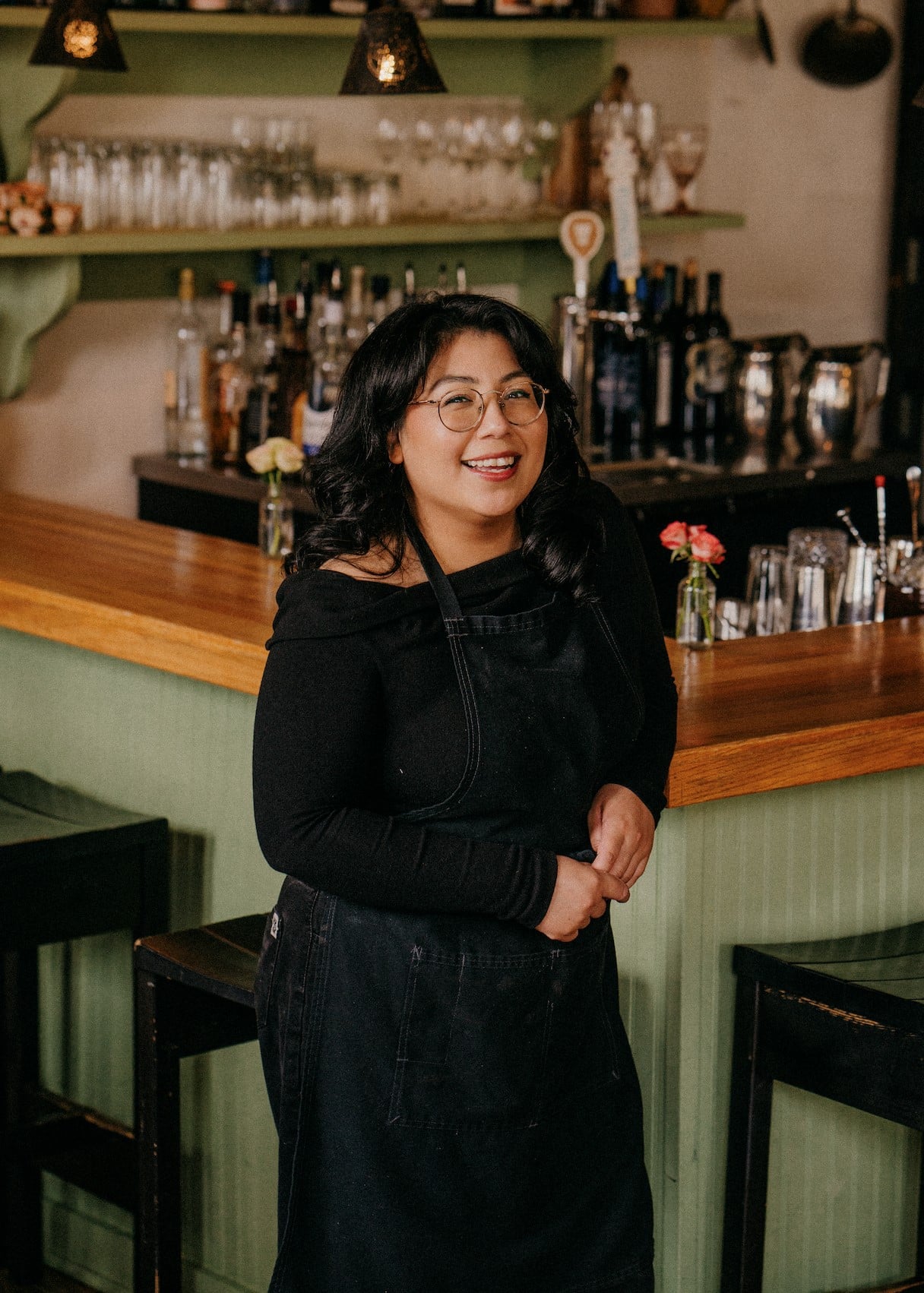
Instagram: @yani_se | @pancitaseattle
Pronouns: She/Her
***
Janet Becerra did not want to start a pop-up.
In fact, she was even shy about sharing her food with the world. It was 2020 and Janet had been cooking professionally for more than a decade. During the pandemic Janet and her husband (who’s also a chef) were cooking at home a lot, and he gave her the push she needed to share her food with others.
It was the natural turning point in her career that inspired her to highlight a staple from her heritage: Masa. Made from whole corn, from scratch, the way generations before her made it.
“I got to the point in my career where I wanted to reconnect with my heritage and learn to make fresh masa. And that’s how it started.”
The pop-up ran out of her house, then it moved into bars, then it landed a residency that became permanent, and today Pancita sits in Seattle’s Ravenna neighborhood. Three years open, a Mexican restaurant built entirely around the art of nixtamalization.
“It taught me that as long as you cook from the heart, and the food means something to you, people will feel that. I do have something to say, and people are willing to listen and are excited about what I’m doing.”
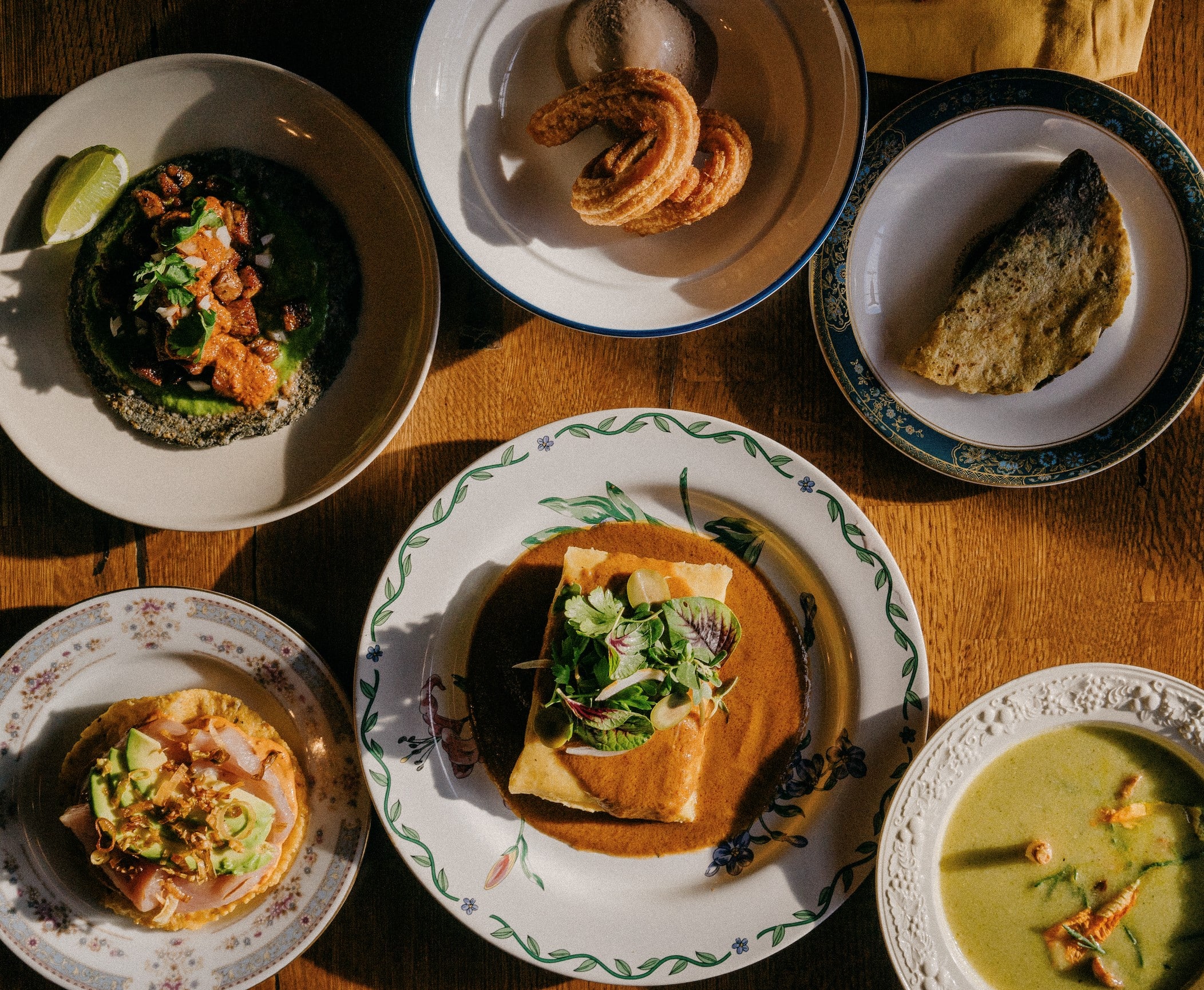
Every morning at Pancita, Janet and her team grind nixtamalized corn into fresh masa.
Nixtamalization is a pre-Hispanic practice, and Janet describes it with the precision of someone who does it daily and the reverence of someone who understands what she’s been handed.
“Nixtamalization is a pre-Hispanic practice. Very ancestral. It’s the art of taking a grain, usually corn, and cooking it in an alkaline solution that is made with food-grade calcium hydroxide. Traditionally, that would have been ashes left over from a fire.
Essentially, you’re cooking it to help the skin of the corn loosen up. Then it rests overnight, and the next day you’re able to grind it into something more digestible and easier to handle.”
Historically, that grinding happened on a metate. Stone against stone, by hand. Pancita has machinery now, but it still uses the volcanic rock to grind the corn into fresh masa.
While many restaurants use masa harina, a powder form of masa that you rehydrate with water, Janet emphasizes the unique texture and flavor that nixtamalization delivers.
“It’s really important to me because I didn’t want that art, that ancestral practice, to be lost on me—or lost on a lot of cooks here who maybe don’t have access to the knowledge and want to learn and reconnect in that way to their heritage.”
Janet’s résumé takes her from culinary school, to an internship at a small restaurant in the south of France, and working in kitchens in Mexico City.
France taught her how a kitchen works.
“That was fresh out of culinary school, so it was my first job. It was much more about learning to understand how to work in a kitchen. It was about how you survive.”
Mexico City changed something bigger.
“Mexico City was a real awakening as a young cook, especially someone who was raised in the States, away from where their family grew up.
It was really cool to see other young chefs who were really excited about food and really cared a lot, in the same way that a lot of chefs here do, but specifically with Mexican food. I grew up eating traditional food that my mother would cook, but going to Mexico City and seeing how young people view food—we totally respect the food that came before us, but seeing how it can be done in different ways, maybe using ingredients that weren’t as accessible before.”
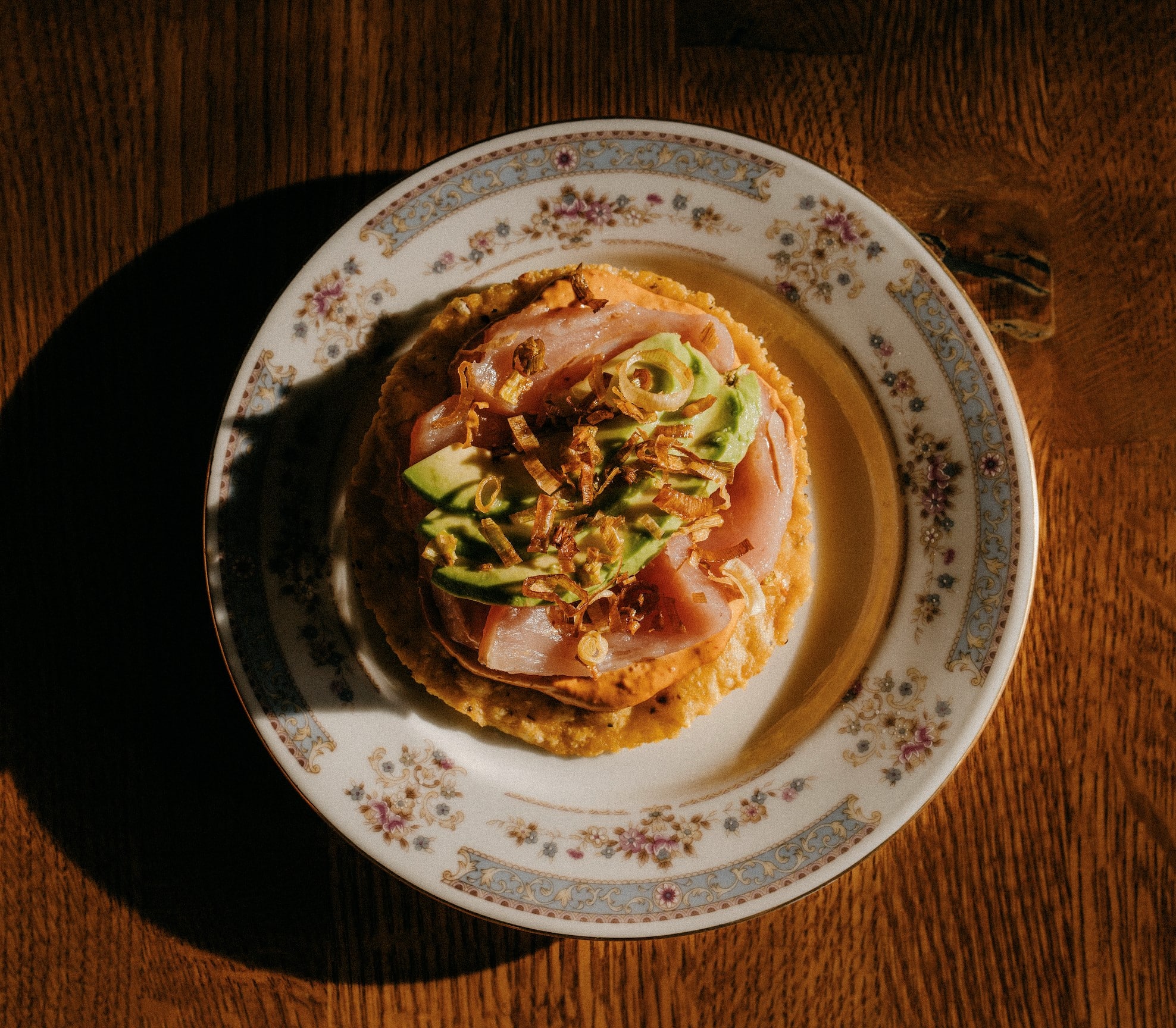
Ask Janet what she wishes more Americans understood about Mexican food, and the answer is the diversity.
“In the past, I think people were just very familiar with Tex-Mex, or New Mexico-style Mexican food, or SoCal Mexican food. And I think there’s much, much more to it.
I’m still very excited about Yucatecan food—a lot of people aren’t familiar with that style. The flavors of Oaxaca really excite me. And Mexico City on its own, I love going every time I visit. There’s a huge difference depending on where [in Mexico] you’re at.”
Janet grew up in a Seattle neighborhood where her closest friends were Vietnamese and Filipino. Combine that with her French training and upbringing as a first generation Mexican American, and you get an exciting menu with global influence.
“I’m incorporating flavors that we normally wouldn’t have, that my grandma wouldn’t have done. Sourdough baking is something my parents didn’t really know much about, and right now specifically, we’re using makrut lime leaf, which I don’t think I’d used in Mexican cooking before. [Mexican food] doesn’t have to be this box that we’ve been packaged in for a long time.”
Pancita is co-owned by Janet and general manager Kate Ramsey, and Janet is emphatic about the partnership.
“Oh, I can’t live without Kate. I’m very grateful for her. She’s like the other half.
I’m in charge of the kitchen and making sure the dishes are coming out the way that I want them to be. Kate makes sure that everything is running—that our licenses are up to date, that payroll is going out. She’s also in charge of the bar program and does all the ordering for the bar.
She’s taught me a lot of patience. Dealing with guests, there’s an art form to that. It’s easy for her to connect with people and just be in the moment, and that’s something I admire about her.”
Janet’s own summary is shorter.
“I’m very much a kitchen person. So it’s nice to have someone to bring me back to reality.”
We asked Janet what she’d tell young Latina cooks looking for her place in this industry.
“If you really, really love it, don’t give up. There are some moments that are a little bit tough, as there are in any industry. But you’re going to get there.
And if there’s not a space for you in the kitchen, maybe you have something to say and you can make your own space too. I mean, that’s kind of what it ended up being for me.
Always lean on the people in your community as well. And don’t be afraid to ask for help.”
She keeps coming back to the platform she’s earned, how rare it is, and how many people never get one.
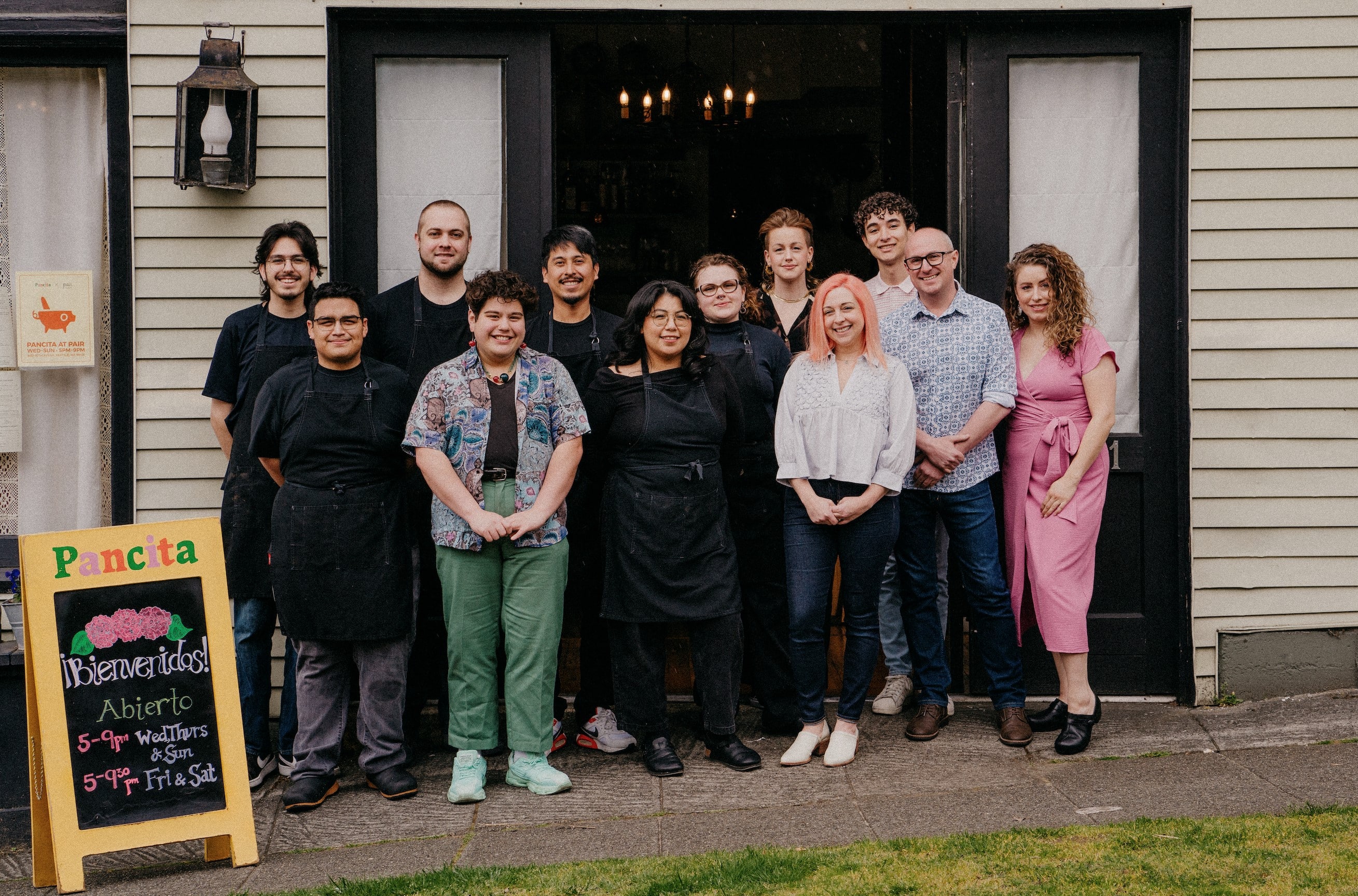
“I’m really proud that I get to do this. I’m so lucky to be able to make food for a living, because there are so many people who get excited about food and start this journey and then don’t get to have a platform. There are so many amazing cooks out there, so many amazing people who don’t have that.
I’m thankful for my team. I get to teach young cooks how to make masa from scratch, and that’s so exciting for me. To see them get excited about Mexican food in the same way that people get excited about other cuisines, like French or Italian.
I’m very proud of that. That my team and I can do that, even if we’re a very small team. Just seeing where the future of Mexican food is heading. That’s really exciting to watch.”



Join The Conversation